What ‘trauma-sensitive’ really means
Understanding What Trauma Sensitive Really Means in The Soma Massage Method™
Listen to this article
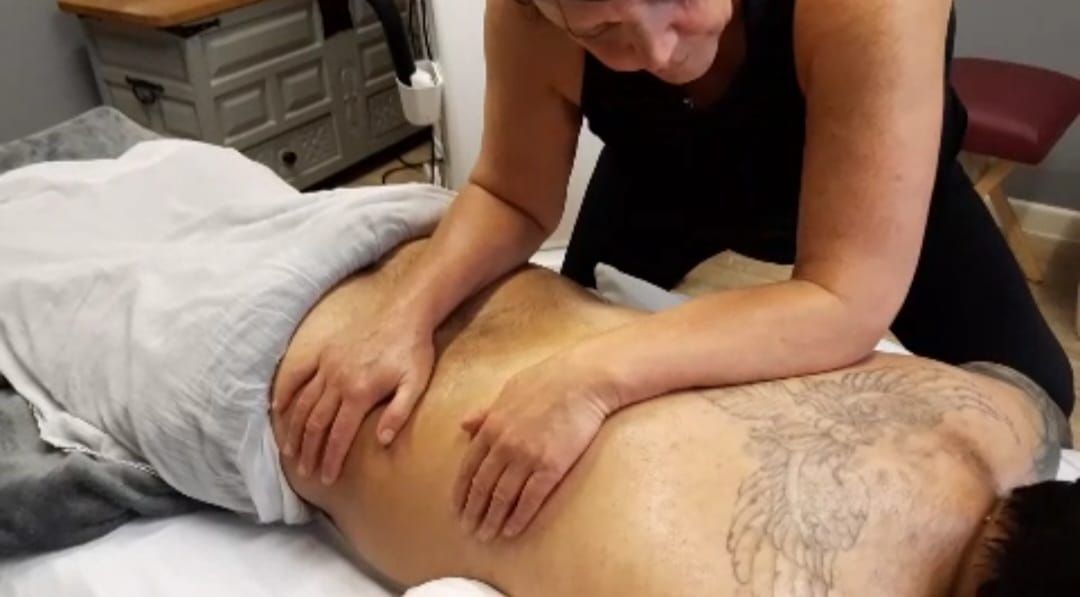
There have been a few questions recently about how The Soma Massage Method™ relates to trauma. It is an important conversation, and one that deserves clarity.
First and foremost,The Soma Massage Method™ does not train practitioners to become trauma therapists. That role belongs to psychologists and psychotherapists who are specifically trained to provide trauma therapy . However, the work is intentionally trauma informed, trauma sensitive and trauma aware.
The Reality of Working With the Nervous System
By its very nature, Soma Massage works directly with the nervous system. When we work with the nervous system, we are often working with the symptoms of trauma, whether or not that trauma has been formally identified.
Many clients arrive with:
- A history of trauma
- Chronic stress
- Physical symptoms with no clear cause
- Emotional or mental overwhelm
- Energetic or spiritual disconnection
Trauma does not only live in the mind. It can manifest physically, mentally, emotionally and energetically. When someone has experienced prolonged stress or trauma, their nervous system adapts. Over time, those adaptations can show up in the body as tension, fatigue, anxiety, pain or shutdown.
This is where trauma sensitive bodywork becomes powerful.
Trauma Therapy Versus Trauma Sensitive Practice
There is an important distinction to make. Trauma therapy focuses on processing and healing traumatic events directly. That is specialist work. Trauma sensitive practice, on the other hand, recognises the impact of trauma on the nervous system and responds with care, awareness and safety.
The Soma Massage Method™ offers:
- Education around nervous system regulation
- Insight into polyvagal theory
- Somatic practices to support regulation
- Bodywork that honours safety and consent
- Clear safety making protocols for practitioner and client
Practitioners are not diagnosing or treating trauma in a clinical sense. They are creating safe, regulated spaces where the body can begin to soften and settle.
Safety First, Always
A core part of trauma sensitive work is safety. Practitioners learn how to:
- Recognise signs of dysregulation
- Pace sessions appropriately
- Stay regulated themselves
- Create a space where clients feel seen and supported
- Protect their own wellbeing while supporting others
When practitioners understand their own nervous system, they are far better equipped to support the nervous systems of their clients. This dual awareness is essential. You cannot co regulate effectively if you are not grounded yourself.
Supporting Without Overstepping
The Soma Massage Method™ respects professional boundaries. We do not step into the role of trauma therapist. Instead, we offer:
- Regulating touch
- Somatic awareness
- Grounded presence
- Practical tools clients can use in daily life
Sometimes the most profound support is not about analysing the past. It is about helping the body feel safe in the present moment. When the nervous system feels safe, the body has space to shift.
A Compassionate and Professional Approach
Being trauma sensitive is not about labelling every client as traumatised. It is about understanding that many people carry stress responses shaped by past experiences.
It is about:
- Moving slowly
- Listening deeply
- Respecting boundaries
- Honouring consent
- Holding space without trying to fix
In essence, trauma sensitive practice is an attitude as much as it is a skill set.The Soma Massage Method™ equips practitioners with knowledge, tools and embodied awareness so they can support clients responsibly, ethically and safely. It empowers practitioners to work confidently with nervous system regulation while staying within their professional scope. And in a world where chronic stress and trauma are increasingly common, that kind of grounded, informed support matters more than ever.